
Culturally Responsive Therapy & Assessments for BIPOC Children and Families
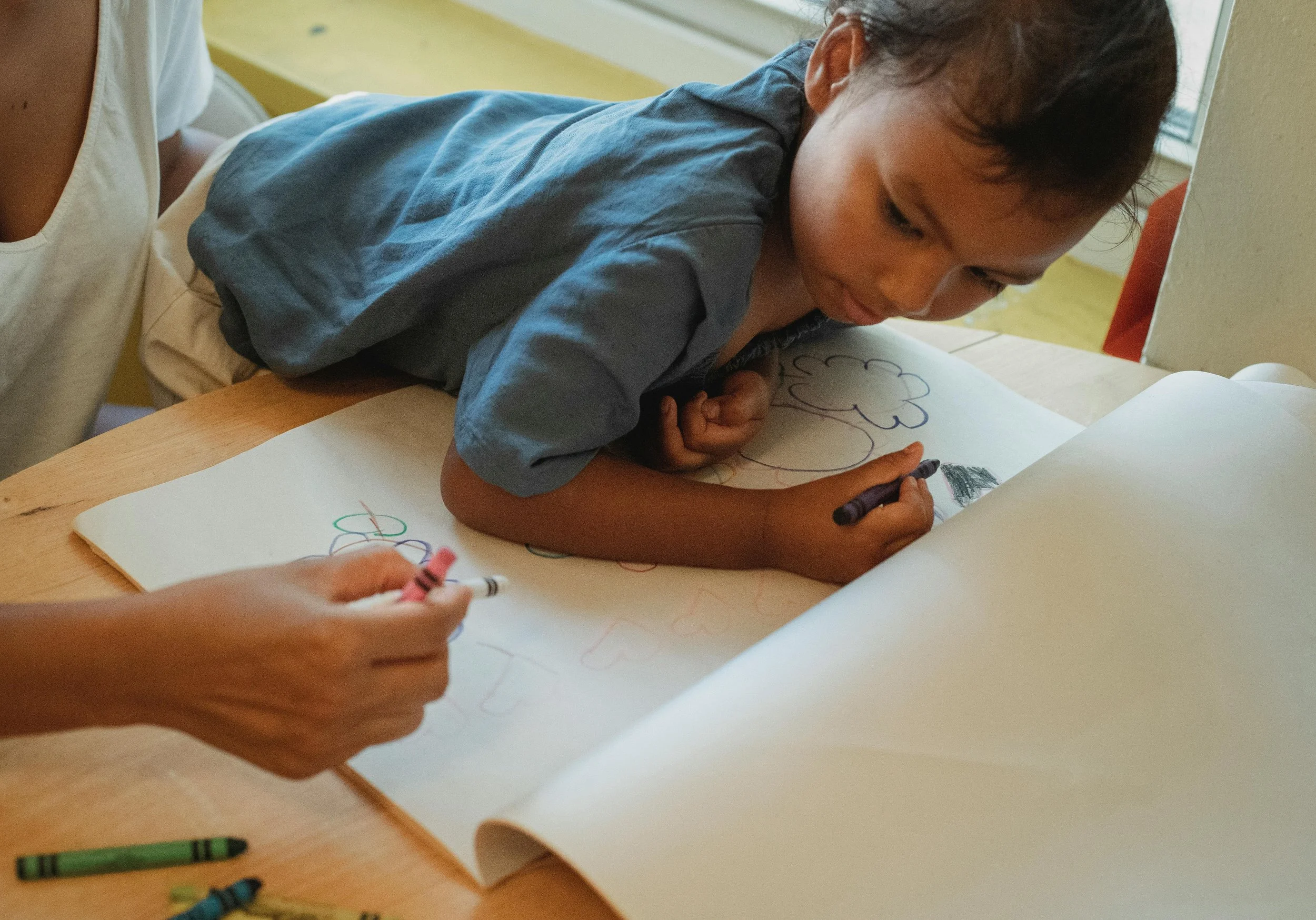
Supporting a child’s learning, emotions, and development is rarely straightforward, and for families from BIPOC, multicultural, and immigrant backgrounds, it can feel especially layered. Children grow up within rich cultural contexts that shape how they learn, express themselves, and relate to others. These contexts include family values, language, traditions, community expectations—and, for many immigrant households, navigating life across multiple cultures and languages. Broader societal factors, such as systemic inequities, historical trauma, and policies affecting access to education and healthcare, also shape experiences.
In both therapy and assessment, understanding this context is essential. Without it, even well-intentioned support can overlook strengths, misinterpret behaviors, or feel disconnected from family priorities. Culturally responsive care isn’t a checklist—it’s a partnership grounded in listening, reflection, and humility, helping children and families feel seen, respected, and supported in ways that honor their identity, culture, and lived experience.
Why Cultural Understanding Matters
Children experience the world through the lens of both culture and society. Their learning, emotional expression, and social interactions are influenced not only by temperament but by family practices, cultural norms, and community values. For immigrant families, this includes balancing the expectations and traditions of their home culture with the norms of the broader society.
At the same time, systemic factors—such as inequities in education, healthcare, and representation—shape opportunities, confidence, and well-being. Families may also encounter barriers related to immigration status, language access, or unfamiliarity with systems in a new country.
For example:
Assessment limitations: Standardized tests may not fully capture bilingualism, multilingual skill sets, or culturally shaped learning styles. A child may perform differently depending on language of instruction or test context, rather than reflecting ability.
Emotional expression: Children from immigrant households may express stress or frustration differently, influenced by cultural values, intergenerational expectations, or migration-related experiences. Without context, these behaviors can be misunderstood.
Access and representation: Policy, systemic bias, or lack of culturally competent resources can limit access to mental health support, making it harder for families to find services that feel meaningful and aligned with their values.
Recognizing these influences allows assessments and therapy to focus on the whole child, understanding behaviors, learning patterns, and emotional responses within their cultural, familial, and societal context.
Cultural Humility and Family Partnership
Cultural humility is at the heart of both therapy and assessment. It involves ongoing reflection, listening, and collaboration with families. Parents and caregivers can play an active role in helping providers understand how their child’s experiences are shaped by cultural, familial, and societal factors.
This might include:
Family values and expectations: Many Latino families, for instance, embrace familismo, emphasizing interdependence, family cohesion, and multi-generational involvement in decision-making. Gendered expectations (sometimes referred to as machismo or marianismo) may shape how children express emotions, take responsibility, or interact with family, authority figures like teachers, and peers.
Cultural and linguistic context: Language, traditions, and cultural practices influence daily life, coping strategies, and communication styles. Code-switching, bilingualism, and culturally grounded routines all matter when understanding a child’s skills and challenges.
Experiences with bias or systemic barriers: Interactions with schools, healthcare systems, or other institutions can shape how children perceive authority, self-efficacy, and belonging. Understanding these experiences prevents misinterpretation and ensures care is equitable and respectful.
Therapy sessions and assessments can be tailored to reflect these insights:
Inviting family discussions to explore goals, strategies, and expectations
Integrating culturally meaningful approaches to support emotional regulation, social skills, or learning
Interpreting assessment results with awareness of cultural norms, language, and family experiences
Including extended family perspectives when relevant to the child’s development or support network
By approaching care in this way, interventions become authentic, respectful, and effective, while validating the family’s knowledge and lived experience. Children are supported not only as individuals but within the full context of their family, culture, and community.
Applying Cultural Understanding in Practice
Cultural understanding shapes both the questions we ask and how we interpret responses. For example:
A child’s deference to adults in school may reflect respeto, not disengagement.
A child’s concern about disappointing family may stem from collectivist values, common in many multicultural or immigrant households.
Emotional or behavioral responses may reflect migration-related stress, intergenerational differences, racism, or systemic inequities rather than personal deficits.
By integrating these perspectives, providers can tailor therapy and assessment in ways that are relevant, culturally aligned, and supportive—helping children develop skills, confidence, and resilience in the context of their family and community.
Culturally Sensitive Support for Families in Porland, OR and Vancouver, WA
If you’ve noticed patterns in your child’s learning, attention, emotions, or social interactions, support that reflects their full context—culture, family, language, and lived experiences—can make all the difference. Families often benefit most when care is thoughtful, collaborative, and grounded in understanding rather than labels.
We’re proud to welcome Dr. Marisol Beaulac, PsyD, to our team. Dr. Beaulac is a licensed clinical psychologist with extensive experience supporting BIPOC, Latino/Hispanic, immigrant, and multicultural children, teens, and young adults. She brings a deep understanding of how cultural values, language, family dynamics, and systemic factors shape learning and emotional experiences. Her approach combines strengths-based, culturally attuned therapy and assessment with evidence-informed strategies, helping families feel seen, understood, and empowered.
Whether you’re considering a comprehensive assessment to better understand learning, attention, or emotional patterns—or therapy to build coping skills, confidence, and resilience—Dr. Beaulac works in partnership with families, honoring family values, multi-generational perspectives, and cultural traditions. She offers services in both English and Spanish and provides care across the Greater Portland and Vancouver areas, with offices in Tigard, OR and Camas, WA.
Support begins with listening. A conversation with Dr. Beaulac and our team can help you explore what feels most aligned with your child’s needs and your family’s values, offering guidance and strategies that are both practical and meaningful.
To learn more or schedule a consultation with Dr. Marisol Beaulac, please visit her profile or contact our clinic directly to book a free consultation.


