
Child Struggling After the Holidays? Why January Can be a Good Time to Get Your Child Tested
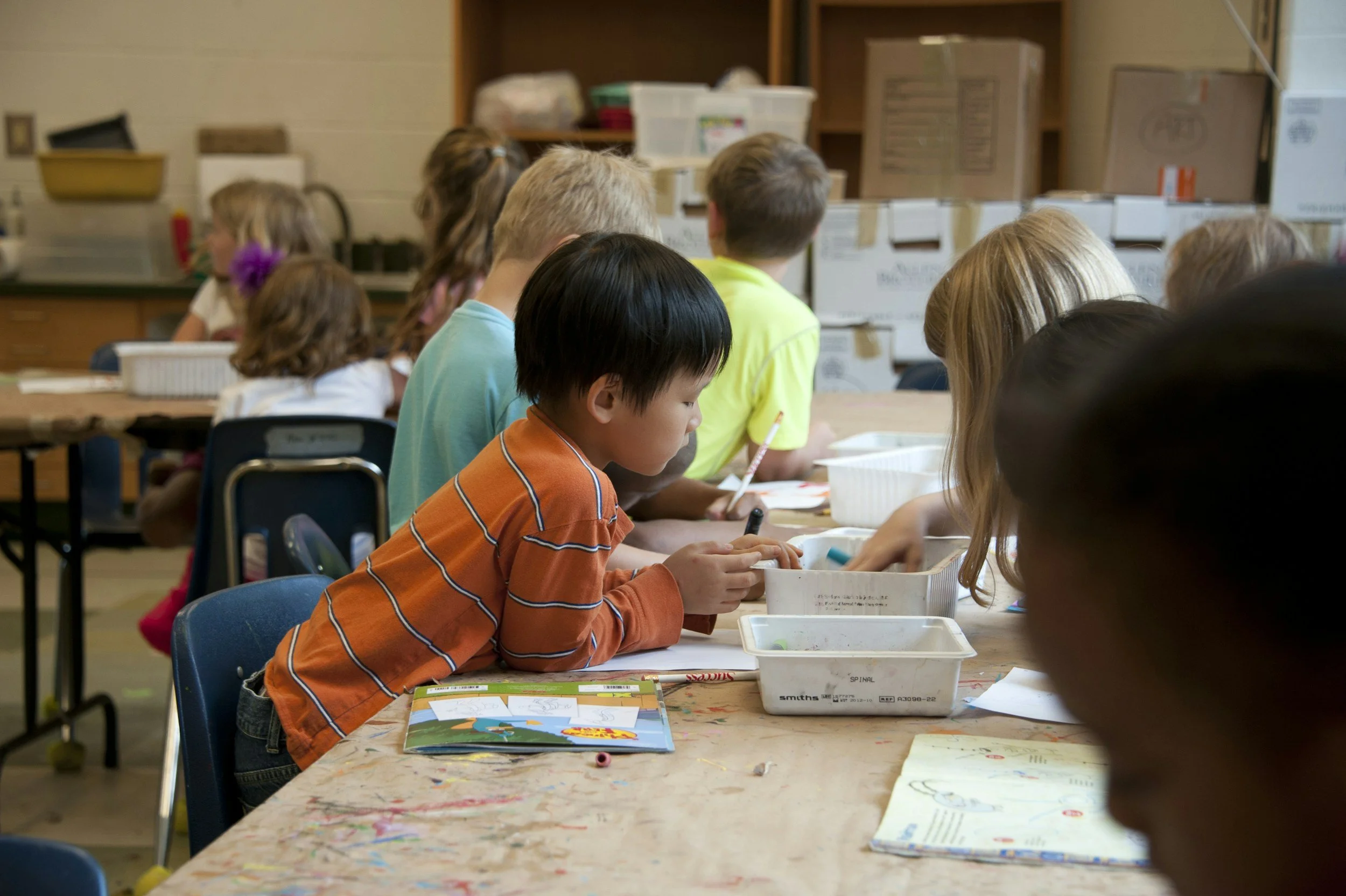
The holidays bring a break from school, but they also bring a lot of change.
Routines shift. Bedtimes move. There may be travel, crowded gatherings, unfamiliar environments, surprises, noise, and more social interaction than usual. For some families, there’s excitement and connection. For others, there’s overstimulation, unpredictability, or emotional ups and downs.
Most children experience a mix of both.
And as January begins, many parents find themselves noticing something they couldn’t quite see during the busy, structured school months: How their child actually functions when life looks different.
Sometimes children seem calmer and more relaxed without school demands.
Sometimes the transition and lack of structure leads to more dysregulation, sleep challenges, or emotional outbursts.
Sometimes both patterns show up at different points during the break.
Then school starts again, and that change tells you even more.
What the Holidays Can Reveal About Daily Functioning
The holiday period creates a natural “stress test” for several areas of functioning:
Structure and Routine
How does your child handle unstructured time?
Do they become more flexible—or more overwhelmed?
Sensory and Emotional Regulation
How do they respond to noise, crowds, travel, or social demands?
Do they recover easily after busy days?
Social and Family Interactions
Do they seek connection—or withdraw?
Are there more conflicts, shutdowns, or big reactions?
Transitions and Uncertainty
How do they handle surprises, last-minute changes, or not knowing what to expect?
Independence and Daily Skills
Sleep patterns, screen use, hygiene, task initiation, and self-management
These patterns matter because they reflect how your child manages real-life demands, not just academic expectations.
The Return to School Often Brings Another Shift
As January then approaches, many parents notice new changes:
Increased anxiety or resistance about going back
Exhaustion after the first week or two
Emotional meltdowns after holding it together all day
A quick return of homework battles or avoidance
Mood changes, irritability, or withdrawal
Sometimes the contrast is striking:
A child who seemed relaxed over break becomes overwhelmed again
Or a child who struggled without structure improves once routines return
Both patterns provide important information about what your child needs to feel regulated and successful.
Why January Can be a Good Time for a Whole-Child Check-In
By this point in the school year, you’ve seen your child in multiple contexts:
Structured school routines
Unstructured holiday time
Increased social and sensory demands
Time with and without academic pressure
The transition back to expectations
This gives you a more complete picture of:
Emotional regulation
Attention and executive functioning
Social functioning
Sensory sensitivity
Anxiety or mood patterns
Daily living skills
Academic stamina and learning
Instead of reacting to one difficult moment, January allows you to ask: How is my child functioning overall, and what support would actually help?
Questions to Consider This Month
Does my child seem significantly more exhausted than peers?
Do small demands lead to big reactions?
Is daily life (mornings, homework, bedtime, transitions) a constant struggle?
Do they hold it together in one setting and fall apart in another?
Did the holidays reveal differences in how they handle structure, social time, or sensory input?
Are their confidence, mood, or independence being affected?
Am I spending most of my energy managing or troubleshooting their day?
If several of these resonate, the most helpful next step is often more clarity—not more pressure or discipline strategies.
What a Truly Comprehensive Evaluation Can Help You Understand
Many parents think testing is only about academics or figuring out whether a child has ADHD or autism. And while those are certainly important areas psychologists assess, a comprehensive evaluation goes much deeper.
The goal isn’t just to look for a diagnosis—it’s to understand the whole picture of how your child thinks, learns, manages emotions, and functions across different environments. A thorough evaluation looks at multiple areas to better understand your child’s strengths, challenges, and day-to-day experience, including:
Reading, writing, math
Memory, processing speed, reasoning
Giftedness and twice-exceptionality
Attention & Executive Functioning
Organization, planning, task initiation, working memory
Impacts of anxiety, depression, and trauma on EF
Emotional & Behavioral Functioning
Anxiety, depression, and mood
Stress and frustration tolerance
School stress
Perfectionism
Procrastination and/or avoidance
Repetitive thoughts, behaviors, or rituals that impact daily functioning and overall webeing, such as those frequently seen with anxiety, OCD, ADHD, and Autism
Difference in brain activity that can lead
Social & Developmental Differences
Autism spectrum characteristics
Social communication and peer functioning
Daily Functioning
Independence, routines, flexibility
Sensory sensitivities and regulation
How your child manages real-life demands
School Support Needs
504 plans or IEP eligibility
Accommodation recommendations, such as those commonly seen with ADHD, Autism, and learning differences.
Remember, the goal isn’t just to identify a diagnosis. It’s to understand:
Why things feel hard, for both you and your child.
How your child’s brain and nervous system actually work and what they need.
What will actually make daily life easier.
A Thoughtful Next Step: Evaluations and Testing for Kid in Portland and Vancouver
The holidays often reveal patterns that are easy to miss during the rush of everyday life. January gives you something valuable: perspective.
If you’re noticing differences, increased stress, or simply wondering whether your child needs more support—academically, emotionally, socially, or in daily functioning—you don’t need to wait until things get worse. Getting a comprehensive assessment for your kid can provide the insight needed to better support them across school, home, and everyday life.
Because the goal isn’t just better grades. It’s a child who can start homework without a meltdown, handle frustration without shutting down, stay organized enough to keep up, and feel proud of themselves at the end of the day instead of defeated. It’s a child who feels capable, understood, and less overwhelmed by everyday expectations.
And it’s support for you, too. Less guessing, less Googling, and fewer daily battles over routines, schoolwork, or motivation. Instead of feeling like you’re constantly putting out fires or second-guessing your parenting, you have a clear understanding of what’s going on, what works for your child, and how to support them with confidence.
Because when you understand how your child’s brain works, everything—from school to mornings to evenings at home—can start to feel more manageable for your whole family.
Remember, January doesn’t have to be a crisis point. It can be an opportunity to make the second half of the year feel more supported, more sustainable, and less stressful for everyone.
If you live in Greater Portland or Vancouver and are feeling unsure, overwhelmed, or simply curious about what might help you’re child, you’re welcome to start with a brief conversation with our founder, Dr. Liliya Webb. She can answer any questions you may have and help you explore whether a comprehensive evaluation would be a helpful next step for your child and your family.

Dr. Liliya Webb is a licensed psychologist and the founder of Webb Psychological Services. Specializing in comprehensive psychoeducational evaluations for children and adolescents, she helps families understand their child’s emotional, cognitive, and behavioral challenges. With expertise in assessing conditions such as anxiety, ADHD, learning disabilities, and developmental disorders, she provides clear insights and personalized recommendations to support your child's well-being and academic success.
Dr. Webb takes a holistic and compassionate approach to assessment, ensuring that each child’s unique needs are met with care and precision. If you’re curious about psychological testing or need guidance on how to address your child’s struggles, book a free consultation call today to get started!
